
One Squeeze Changed Everything
Why a squeeze of lemon fixes almost every dish

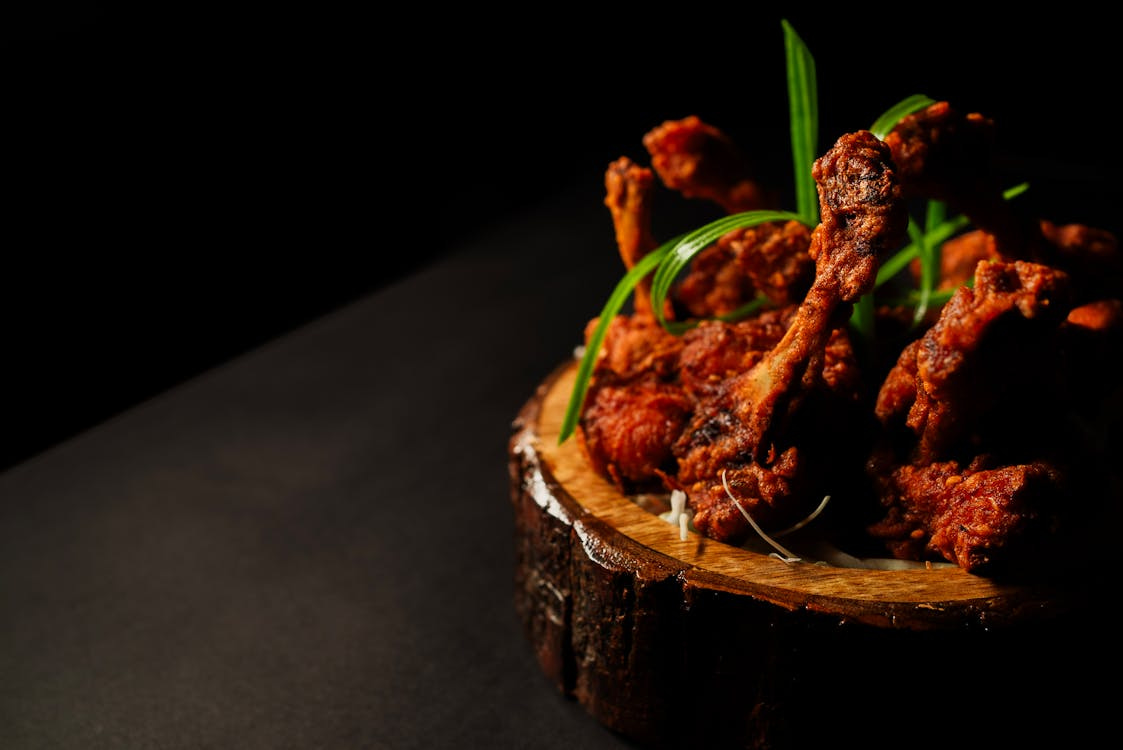
I was cooking pasta at home, tasting it every few minutes, convinced it was almost there. Something kept feeling flat. I couldn’t figure out what it needed.
I tasted it. “Good?” he asked. “Good,” I said. He reached over, squeezed half a lemon into the bowl, tossed it once, and handed it back.
Same pasta. Different universe.
I stood there holding that bowl with the specific kind of shock that only happens when something simple breaks your brain. Nothing had changed. A small amount of liquid. A fruit. And yet the dish was alive in a way it had not been thirty seconds before.
That was the day I learned what finishing with acid actually means.
The thing nobody tells you about seasoning
Salt is the word everyone uses. Season your food. Add salt. Taste as you go.
All of that is true and also incomplete.
Professional kitchens season in layers. Salt at the beginning, salt through the middle, and something else entirely at the end. That something else is acid. And it is the single most underused tool in home cooking.
Why acid at the end changes everything
Fat is heavy. It coats the palate and softens edges and makes things taste rich. That is what fat is supposed to do. But without something to cut through it, a dish collapses into itself. It becomes one note. Good, but flat.
Acid lifts. It separates flavours the way a conductor separates sections of an orchestra. Before acid, you hear one sound. After acid, you hear every instrument individually.
The move is simple. When the pan comes off the heat and the dish is almost done, squeeze in a small amount of lemon juice or a splash of good vinegar. Swirl. Taste. You will immediately know what was missing.
A few rules I live by.
Acid goes in off the heat. High heat cooks acid away and kills the brightness before it reaches the plate.
Use a small amount. The goal is not sourness. The goal is clarity. A few drops of lemon juice should not taste like lemon. They should taste like everything woke up.
Salt and acid solve different problems. If a dish tastes flat, try acid before you reach for more salt. Nine times out of ten, that is what it needs.
The best acids to keep on your counter: fresh lemons, good red wine vinegar, sherry vinegar if you want something rounder. Not balsamic. Balsamic is a sauce. It goes on things, not in them.
Brown Butter Chicken Thighs with Lemon Pan Sauce
Serves 2 · 25 minutes · The kind of dinner that makes people think you trained somewhere
Ingredients
2 chicken thighs, bone and skin on
2 tablespoons unsalted butter
4 garlic cloves, skin on, smashed flat with the side of your knife
2 sprigs fresh thyme
Salt and black pepper, generously applied
Juice of one lemon, kept aside until the very end
A small handful of fresh parsley, roughly torn
Method
Pat the chicken completely dry. This is the most important step and the one most people skip. Dry skin gets crispy. Wet skin steams. Season generously on both sides with salt and black pepper.
Start in a cold pan. Place the thighs skin side down into a cold pan over medium heat and let the temperature rise slowly. The fat renders as the pan heats and gives you an even, deep golden crust without burning. Do not touch them. This takes about 10 to 12 minutes. You will smell when it is ready.
Flip once. Add the butter, garlic, and thyme. As the butter melts it will foam and then, if you keep the heat at medium, turn a pale amber colour. That is brown butter. It smells like toasted hazelnuts and means everything is going correctly. Baste the chicken with it continuously for 3 to 4 minutes until cooked through.
Remove the chicken to a plate to rest. Leave the pan on the heat. Squeeze in the lemon juice. The pan will sizzle and lift everything from the base. Swirl it. Taste it. Season if it needs it.
Pour the sauce over the chicken. Scatter the parsley. Serve immediately.
I have been cooking professionally for over a decade and the thing that still gets me is how small the changes are.
One squeeze of lemon. An extra minute of patience. A cold pan instead of a hot one.
Fine dining gave me a lot of complicated techniques. But the ones I come back to every single week are the simple ones that ask only for attention.
That bowl of pasta. The lemon. No explanation given, none needed. Some lessons land before the words do.
— Stefan
P.S. Try this on pasta before you try it on chicken. Finish any pasta in butter, taste it, then add a small squeeze of lemon right before the plate hits the table. Then reply and tell me what happened. I want to know if it broke your brain the way it broke mine.
P.P.S. The rule that never changes: acid off the heat, always. If it hits a screaming hot pan and evaporates, you have already lost it.